
Customized VOCs Abatement Solutions for Chemical & Pharmaceutical Industries
YFEP manufactures VOCs treatment equipment engineered for chemical, pharmaceutical, coating, and photovoltaic facilities.
Our systems combine activated carbon adsorption, thermal oxidation (RTO/RCO), and condensation recovery to destroy or recover benzene, toluene, xylene, methanol, ethyl acetate, styrene, formaldehyde, and chlorinated VOCs — achieving 95–99% destruction or recovery efficiency under your local emission limits.
Every VOCs treatment equipment configuration is sized to your exact airflow, concentration, and compliance target.
VOC Compounds Our Treatment Equipment Handles
- Benzene, Toluene, Xylene (BTEX) — chemical synthesis, painting, coating
- Ethyl Acetate, Methanol, Acetone — pharmaceutical, printing, adhesive production
- Styrene — polymer, FRP, and rubber manufacturing
- Formaldehyde — resin, plywood, and fertilizer plants
- Chlorinated VOCs — chlorination processes, PVC, and solvent production
- Mixed solvent vapors — complex multi-component exhaust from chemical processes
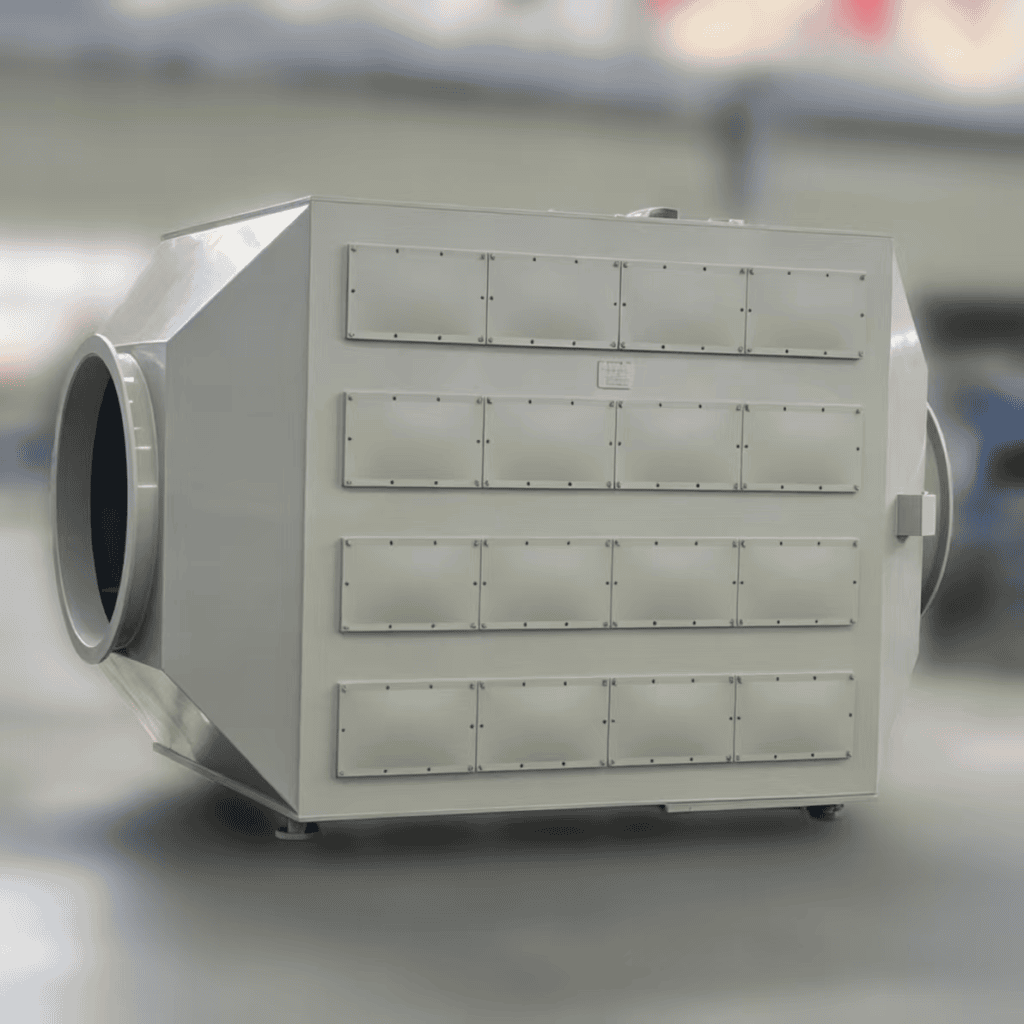
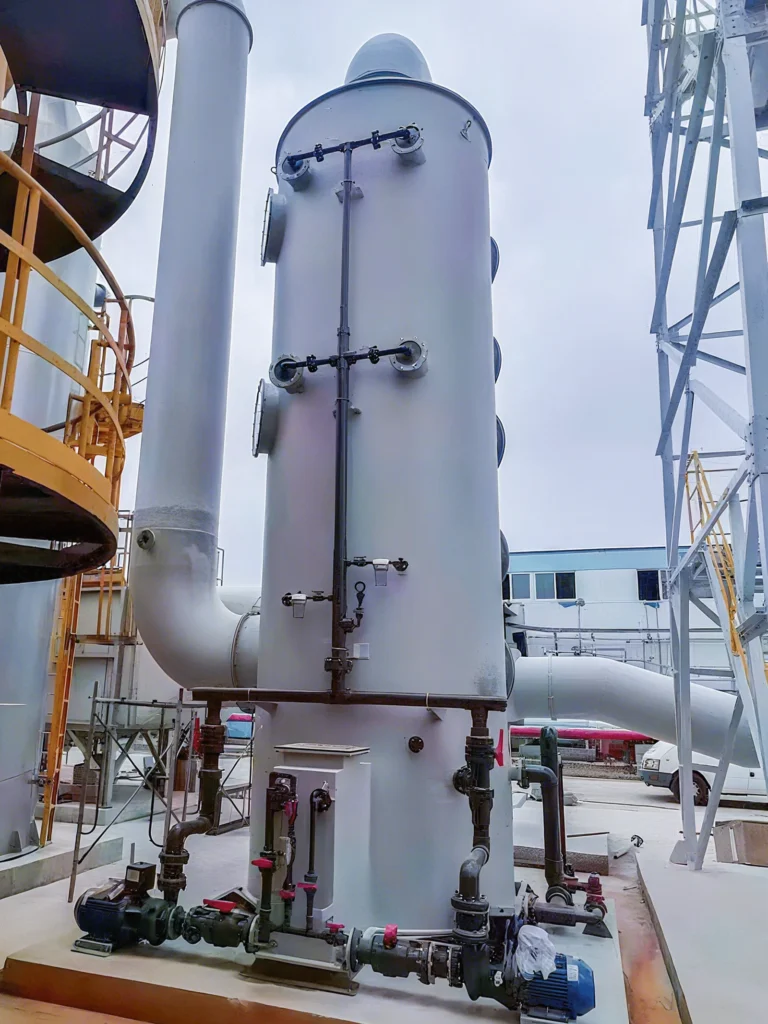
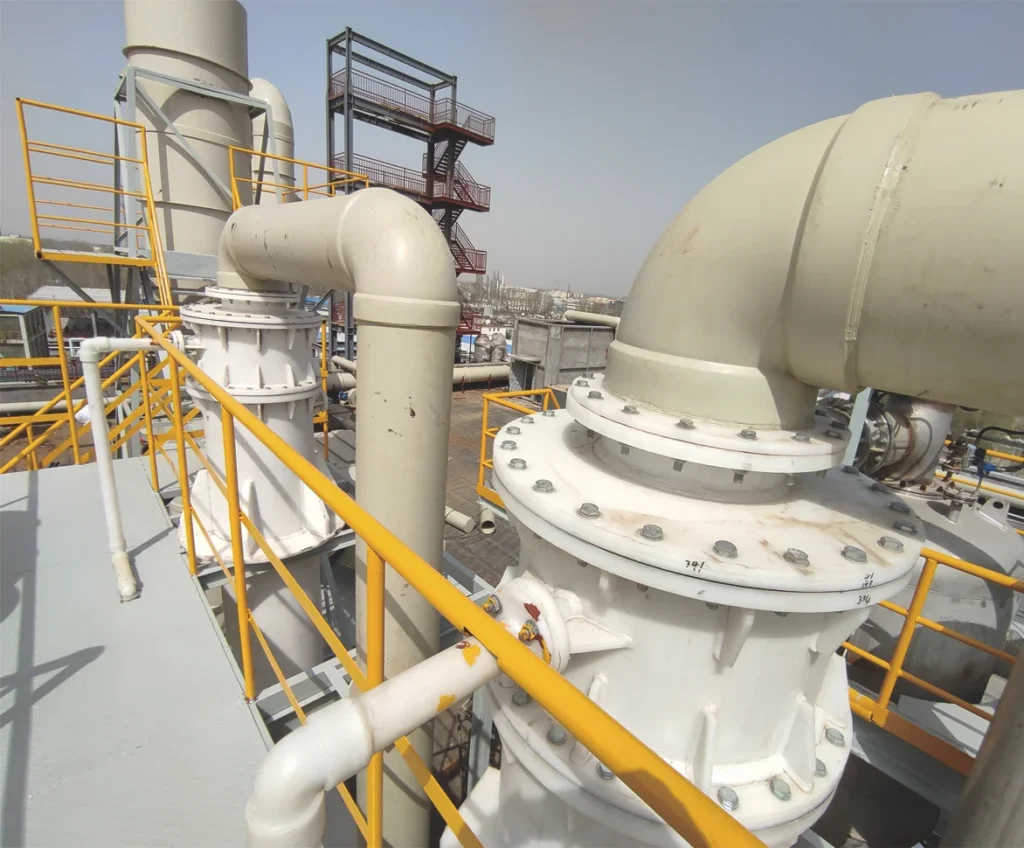
Our VOCs Treatment Technologies
Industries We Serve
CH
Chemical Industry
Solvent recovery systems, reactor vent gas control, tank farm emissions abatement, process off-gas treatment
Core Market
PH
Pharmaceutic
API manufacturing exhaust, laboratory fume hood handling, fermentation off-gas, cleanroom air purification
Core Market
PV
Photovoltaic Mfg
Solar cell production VOCs, wafer cleaning exhaust gas, slurry wastewater odor control
Growth Sector
CO
Coating & Painting
Spray booth exhaust treatment, drying oven emissions capture, curing process VOCs control
Growth Sector
Selecting the right VOCs treatment equipment starts with your compound profile and concentration. See our installed VOC abatement systems in the VOCs project cases gallery.
If your exhaust also carries acidic fumes (HCl, SO₂), our acid alkali pollution control equipment handles those co-pollutants.
For industrial malodor alongside VOCs, review the odor control project cases.
Browse the full air pollution control equipment catalog, or return to the homepage for all YFEP capabilities.
VOCs Treatment Equipment: Which Technology Fits Your Process
Every VOCs treatment equipment decision depends on concentration, airflow, and whether recovery or destruction is preferred. YFEP deploys four core technologies:
Activated Carbon Adsorption — Best for low-concentration, high-volume streams (typically <1,000 mg/m³). VOC molecules bond to the carbon surface; beds are regenerate via steam or replaced. Ideal for intermittent or dilute emissions.
Regenerative Thermal Oxidizer (RTO) — For medium-to-high concentration combustible VOCs. Preheated ceramic beds recover >95% of combustion heat, pushing thermal efficiency to 95–99% with minimal fuel use. Common in coating, printing, and chemical plants.
Catalytic Oxidizer (RCO) — Similar to RTO but uses a catalyst to trigger oxidation at 300–400°C instead of 800°C, cutting energy cost. Suited to steady streams free of catalyst-poisoning compounds (silicones, halogens).
Condensation / Solvent Recovery — For high-concentration solvent vapors (>10 g/m³). Cooling and compression liquefy the solvent for reuse, turning waste into recoverable feedstock. Strong ROI in pharmaceutical and adhesive production.
Reference: For the U.S. EPA’s national VOC emissions inventory and air quality standards, see the EPA VOC Emissions Overview.
Why YuanFang
20+
Years of Experience
500+
Projects Delivered
99%
Compliance Rate
24h
Response Time
Ready to Discuss Your VOCs Treatment Project?
Tell us about your exhaust gas composition and flow rate. Our engineers will design a custom scrubbing solution within 24 hours.
Frequently Asked Questions About VOCs Treatment Equipment Selection
How do I choose the right VOCs treatment equipment for my process?
Selection follows four parameters: (1) VOC concentration — low (<1,000 mg/m³) favors carbon adsorption; high (>10 g/m³) favors condensation recovery; (2) airflow volume; (3) compound type — halogenated VOCs need RTO with acid-gas scrubbing, not plain catalytic oxidation; (4) recovery vs. destruction preference. We sample your exhaust, then model the options and recommend the lowest life-cycle-cost VOCs treatment equipment configuration.
What is the difference between RTO, RCO, and activated carbon adsorption?
RTO burns VOCs at 800°C with ceramic heat recovery (95–99% efficient, high capital but low fuel cost). RCO does the same with a catalyst at 300–400°C — lower energy, but catalyst is poisoned by silicones/halogens. Carbon adsorption is a physical capture (no combustion), best for dilute streams and easy to regenerate. Most plants pick based on concentration: dilute → carbon adsorption; rich → RTO/RCO or condensation.
What are the operating costs and maintenance requirements?
Energy dominates RTO/RCO running cost (though heat recovery keeps it low); carbon systems need periodic media replacement or steam regeneration; condensation needs compressor power plus recovered-solvent credit. Maintenance is straightforward: quarterly fan/bearing checks, annual ceramic-bed or catalyst inspection. Our VOCs treatment equipment ships with a documented maintenance schedule and operator training.
Can solvent recovery systems pay back through solvent reuse?
Yes — for high-concentration solvent streams (pharmaceutical, adhesive, printing), condensation or distillation recovery can reclaim 80–95% of feed solvent for reuse, often paying back the VOCs treatment equipment investment in 1–3 years through reduced raw-material purchase and waste-disposal cost. We model payback during the design phase so you can decide recovery vs. destruction.