
Professional Acid & Alkali Scrubbing Systems for Industrial Exhaust Treatment
Our integrated systems handle hydrogen chloride (HCl), sulfur dioxide (SO₂), ammonia (NH₃), hydrogen fluoride (HF), chlorine (Cl₂),
Acid & Alkali Waste Gas Types We Treat — Pollution Control Equipment Coverage
- Hydrochloric Acid (HCl) — pickling, PVC production, chlorination processes
- Sulfur Dioxide (SO₂) — sulfur-containing fuel combustion, sulfate production
- Nitrogen Oxides (NOₓ) — nitric acid production, metal etching, combustion exhaust
- Hydrogen Fluoride (HF) — semiconductor manufacturing, glass etching, fluoride chemical production
- Ammonia (NH₃) — fertilizer production, refrigeration systems, animal rendering facilities
- Chlorine (Cl₂) — water treatment, chemical synthesis, pulp bleaching
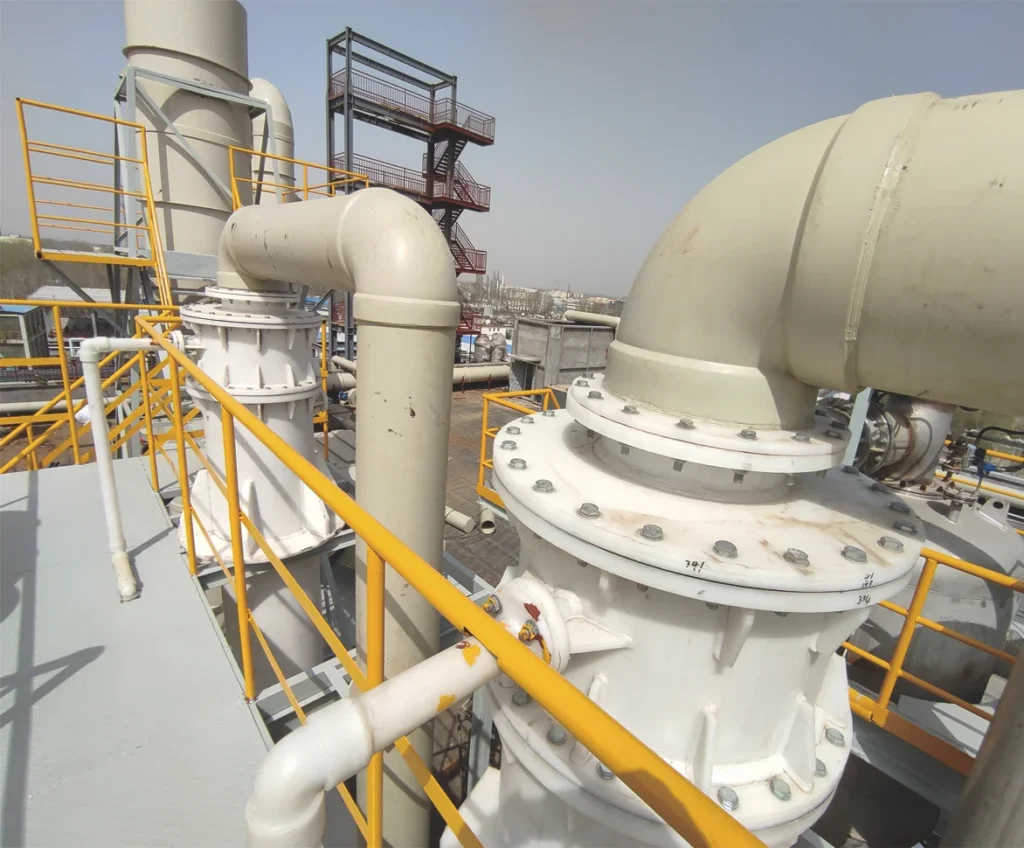
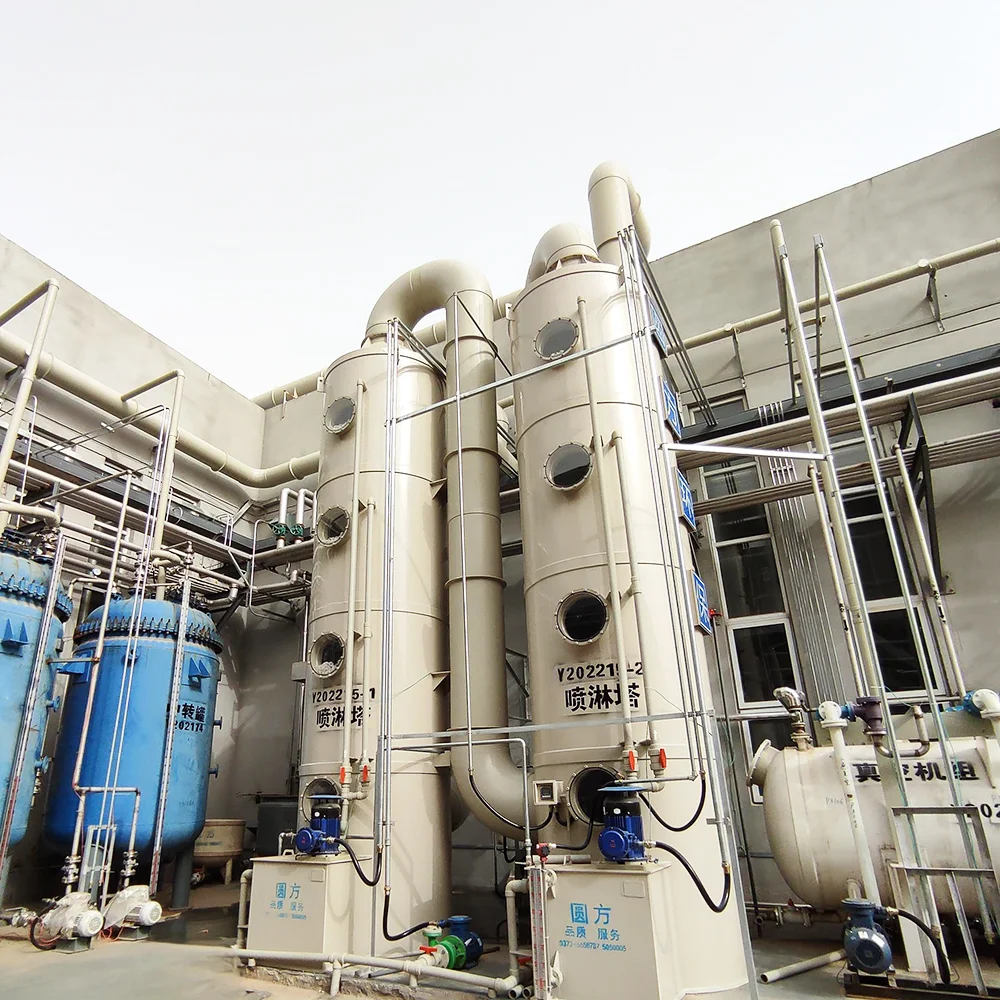
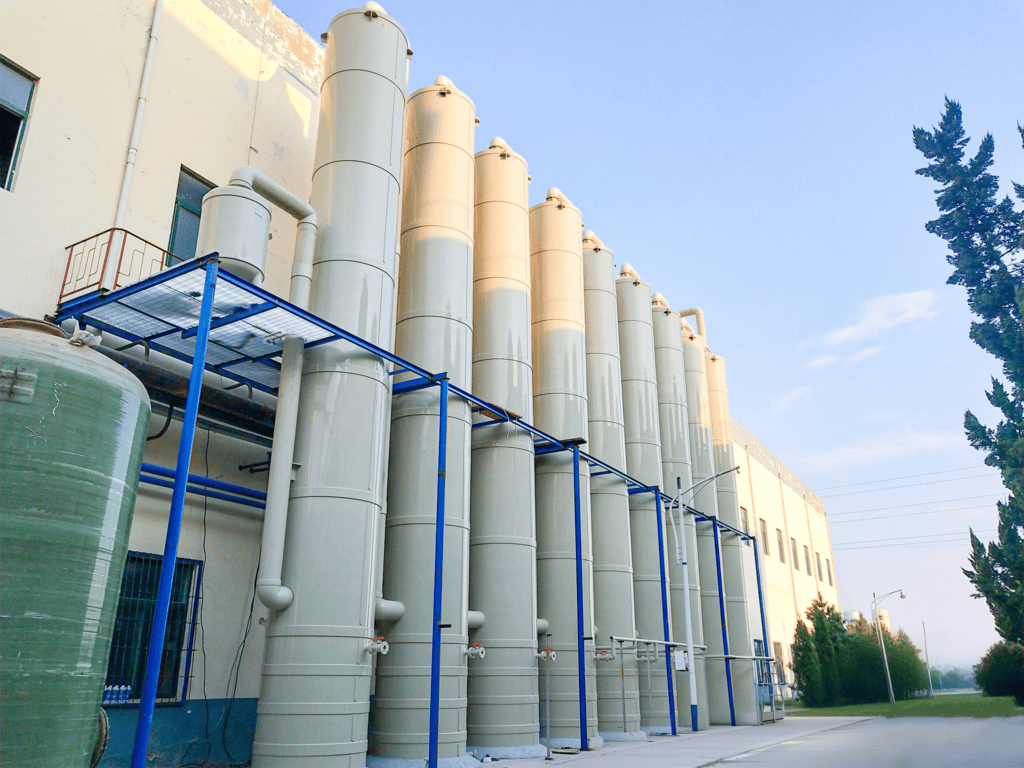
Our Acid & Alkali Treatment Technologies
Industries We Serve
CH
Chemical Industry
HCl/SO₂/Cl₂ acid gas scrubbing, chlorine neutralization, acid mist recovery systems
Core Market
PH
Pharmaceutic
Acidic exhaust from drug synthesis, laboratory fume hood scrubbing, cleanroom acid gas control
Core Market
ST
Surface Treatment
Pickling line HCl/SO₂ exhaust, electroplating acid mist control, anodizing process emissions
Growth Sector
MT
Metallurgy & Steel
Pickling line acid exhaust, sintering plant SO₂ treatment, coke oven gas cleaning
Growth Sector
YFEP’s acid alkali pollution control equipment is part of a comprehensive industrial gas treatment portfolio:
• Explore real-world installations in our acid alkali waste gas treatment project cases.
• For volatile organic compound challenges, check our VOCs treatment solutions.
• Facilities dealing with industrial malodors can review our industrial odor control solutions.
• Browse the full air pollution control equipment catalog including scrubbers, towers, and custom units.
• New to the technology? Read our guide on how packed-bed wet scrubbers capture acid gases.
• Return to the homepage for an overview of all YFEP environmental engineering capabilities.
Each acid alkali pollution control equipment system is factory-tested before delivery. Request a free site assessment today.
How Our Acid Alkali Pollution Control Equipment Works
Each acid alkali pollution control equipment system from YFEP uses one or more proven treatment methods depending on the gas type and concentration:
Chemical Scrubbing (Packed Tower / Spray Tower) — The most widely used method for HCl, SO₂, and NH₃ removal. Contaminated gas flows upward through a packed column while a counter-current scrubbing liquid (NaOH, Ca(OH)₂, or Na₂CO₃ solution) neutralizes acidic components. Removal efficiency typically reaches 95–99% for soluble gases like HCl and Cl₂.
Wet Electrostatic Precipitator (WESP) — Effective for sub-micron acid mists, oil mists, and fine particulates that escape conventional scrubbers. Commonly used after scrubbing as a polishing stage for pickling lines and metallurgical processes.
Activated Carbon Adsorption — For low-concentration organic acids and mixed pollutant streams where chemical scrubbing alone is insufficient. Carbon beds provide high surface area for adsorption of trace contaminants.
The choice of technology depends on four key factors: (1) gas type and concentration (ppm to g/Nm³), (2) airflow volume (m³/h), (3) available space at your facility, and (4) target emission standard. Most of our acid alkali pollution control equipment installations use hybrid configurations combining two or more technologies for optimal cost-performance.
Reference: For workplace exposure limits on acid gases such as hydrogen chloride (OSHA PEL ceiling: 5 ppm), visit the OSHA Hydrogen Chloride Chemical Database.
Why YuanFang
20+
Years of Experience
500+
Projects Delivered
99%
Compliance Rate
24h
Response Time
Need a Solution for Acid & Alkali Exhaust Gas?
Tell us about your exhaust gas composition and flow rate. Our engineers will design a custom scrubbing solution within 24 hours.
Frequently Asked Questions About Acid Alkali Pollution Control Equipment Selection
How do I choose the right acid alkali pollution control equipment for my plant?
Selection follows four factors: (1) gas type and concentration (HCl, SO₂, NH₃, HF, Cl₂ and their ppm range), (2) airflow volume (m³/h), (3) available footprint at your facility, and (4) your target emission standard. We start with on-site gas sampling, then model the chemistry and size the packed tower, scrubbing-liquid circulation rate, and packing depth accordingly. Every acid alkali pollution control equipment configuration is engineered to your measured profile — not a catalog off-the-shelf unit.
What is the difference between chemical scrubbing, WESP, and carbon adsorption?
Chemical scrubbing (packed/spray tower) is the workhorse for soluble acidic gases — an alkaline solution (NaOH, Ca(OH)₂) neutralizes HCl, SO₂, Cl₂ on contact (95–99% for HCl). WESP is a polishing stage for sub-micron acid mists and fine particulates that escape a scrubber. Carbon adsorption targets low-concentration organic acids and trace contaminants. Most plants combine two or more — we specify the right blend for your stream.
What are the maintenance and operating costs?
Operating cost is dominated by scrubbing-liquid consumption and pump power; WESP adds modest electricity; carbon needs periodic media replacement or regeneration. Maintenance is simple: daily pH/level checks, monthly packing inspection, annual recirculation-pump service. Our acid alkali pollution control equipment ships with a documented maintenance schedule, spare-part list, and operator training so your team runs it confidently.
Can the equipment be customized to my space and emission limits?
Yes. We routinely engineer compact, skid-mounted units for tight plant footprints, and tune chemistry and residence time to hit your specific local standard (e.g., HCl ≤ 30 mg/m³). If your limit changes, the system is adjustable via circulation rate and reagent concentration without a hardware rebuild. All acid alkali pollution control equipment is factory-tested against your target before shipment.