
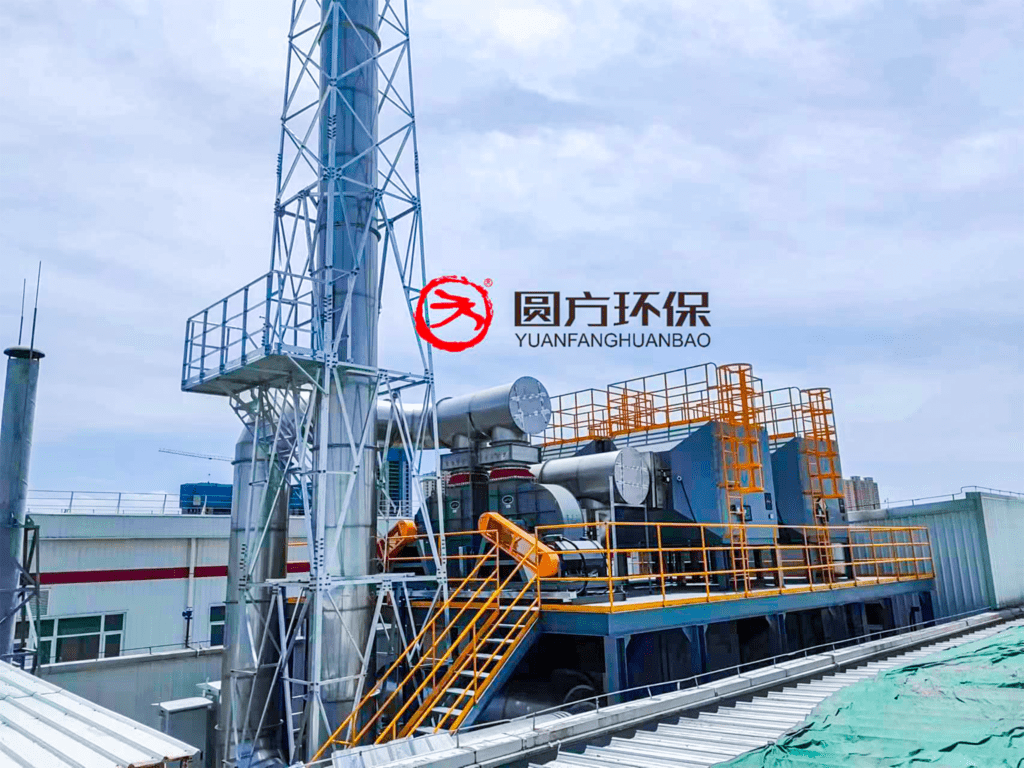
- Understanding Pharmaceutical Waste Gas Characteristics
- Adsorption Tower Working Principle and Configurations
- 1. Fixed-Bed Adsorption Tower
- 2. Moving-Bed Adsorption Tower
- 3. Fluidized-Bed Adsorption Tower
- Key Design Parameters for Pharmaceutical Applications
- Gas Flow Rate and Temperature
- Pollutant Concentration and Loading
- Empty Bed Contact Time (EBCT)
- Pressure Drop
- Corrosion Protection: Material Selection for Longevity
- Internal Component Protection
- Case Study: Pharmaceutical API Plant HCl Scrubbing System
- Adsorbent Media Selection: Carbon Types and Impregnation
- Operation and Maintenance Best Practices
- Daily Monitoring
- Weekly Checks
- Monthly Maintenance
- Annual Overhaul
- Regulatory Compliance Considerations
- Cost Optimization Strategies
- Conclusion
Pharmaceutical manufacturing facilities generate complex acid-alkali waste gas streams during API synthesis, intermediate processing, and formulation stages. These emissions—containing hydrogen chloride (HCl), sulfur dioxide (SO2), hydrogen fluoride (HF), and volatile organic compounds (VOCs)—pose serious occupational health risks and environmental compliance challenges. Among the available treatment technologies, the adsorption tower (often combined with wet scrubbing) stands out as a reliable, high-efficiency solution for pharmaceutical waste gas treatment.
This article provides a comprehensive engineering guide covering adsorption tower selection, corrosion protection strategies, key design parameters, and long-term operation and maintenance practices—tailored for pharmaceutical plant engineers and EPC professionals.
Understanding Pharmaceutical Waste Gas Characteristics
Before selecting an adsorption tower, engineers must characterize the waste gas stream. Pharmaceutical processes are typically batch-oriented, meaning gas composition, flow rate, and temperature can vary significantly over a production cycle. Key pollutants include:
- Acid gases: HCl from chlorination reactions, SO2 from sulfonation, HF from fluorination, and NOx from nitration processes.
- Alkaline gases: NH3 from amination and neutralization steps.
- VOCs: Solvent vapors including methanol, acetone, dichloromethane, toluene, and ethyl acetate.
- Particulate matter: Fine powders from drying, milling, and granulation operations.
- Odorous compounds: Mercaptans, amines, and sulfur-containing organics from fermentation and extraction.
The simultaneous presence of acid gases and organic solvents creates a particularly corrosive environment that demands careful material selection and process design.
Adsorption Tower Working Principle and Configurations
An adsorption tower removes gaseous pollutants by passing the contaminated air stream through a packed bed of solid adsorbent media. Pollutants are captured via physical adsorption (van der Waals forces trapping molecules on the adsorbent surface), chemisorption (chemical reaction between the pollutant and impregnated adsorbent), or a combination of both.
For pharmaceutical acid gas applications, three tower configurations dominate:
1. Fixed-Bed Adsorption Tower
The most common configuration for pharmaceutical plants. Waste gas flows horizontally or vertically through a stationary bed of granular activated carbon (GAC) or impregnated carbon. Fixed beds offer simple operation and predictable breakthrough curves, making them ideal for batch pharmaceutical processes. Typical bed depths range from 0.3 to 1.2 meters, with superficial gas velocities between 0.2 and 0.5 m/s.
2. Moving-Bed Adsorption Tower
In this configuration, spent adsorbent is continuously withdrawn from the bottom while fresh media is added at the top. Moving beds suit high-volume, continuous pharmaceutical operations where adsorbent consumption is substantial. The continuous regeneration capability reduces downtime but adds mechanical complexity.
3. Fluidized-Bed Adsorption Tower
Gas flows upward at sufficient velocity to suspend the adsorbent particles, creating excellent gas-solid contact. Fluidized beds offer superior mass transfer rates and are effective for high-dust pharmaceutical exhaust streams. However, they require more sophisticated control systems and produce higher adsorbent attrition rates.
Key Design Parameters for Pharmaceutical Applications
Proper sizing of an adsorption tower requires the following engineering inputs:
Gas Flow Rate and Temperature
Pharmaceutical reactor vents typically range from 5,000 to 50,000 m³/h. Always design for maximum expected flow plus a 15–20% safety margin. Gas temperature should not exceed 40°C at the adsorption bed inlet; higher temperatures reduce adsorption capacity significantly. For hot exhaust streams (e.g., spray dryer exhaust at 60–80°C), install a pre-cooling heat exchanger upstream.
Pollutant Concentration and Loading
Pharmaceutical acid gas concentrations typically range from 50 to 500 mg/m³ for HCl and 20–200 mg/m³ for SO2. The design must account for peak concentrations during reaction exotherms or solvent boil-off phases. Specify the adsorption capacity of the selected media at the target inlet concentration—typically 5–15% by weight for activated carbon treating acid gases.
Empty Bed Contact Time (EBCT)
The single most critical design parameter. For pharmaceutical acid gas removal, an EBCT of 1.0 to 3.0 seconds is recommended. Shorter contact times risk breakthrough; longer times increase capital cost with diminishing returns. Calculate bed volume as: Vbed = Q × EBCT / 3600, where Q is the gas flow rate in m³/h.
Pressure Drop
Design for a maximum pressure drop of 1,000–2,000 Pa across the adsorption bed at clean conditions. Excessive pressure drop increases fan energy consumption and operating costs. Monitor pressure drop as a key indicator of bed fouling or adsorbent saturation.
Corrosion Protection: Material Selection for Longevity
Pharmaceutical acid gas environments are aggressively corrosive. The adsorption tower shell, internals, and downstream ductwork must resist attack from both the gas phase and condensed acid. The following material hierarchy guides selection:
FRP (Fiberglass-Reinforced Plastic): The most widely used material for pharmaceutical adsorption towers handling HCl and HF. FRP offers excellent corrosion resistance at temperatures up to 80°C, with a cost advantage over high-alloy metals. Specify vinyl ester resin rather than standard polyester for enhanced chemical resistance. Wall thickness should be a minimum of 6 mm for towers up to 2 meters diameter.
PPH (Polypropylene Homopolymer): Ideal for towers handling mixed acid-organic streams at temperatures below 80°C. PPH provides excellent resistance to HCl, HF, and most organic solvents. However, PPH softens above 90°C and has lower mechanical strength than FRP—reinforce with external steel supports for towers exceeding 3 meters in height.
316L Stainless Steel: Suitable for low-concentration acid gases (<100 mg/m³ HCl) but vulnerable to pitting corrosion from chlorides. Not recommended as a primary shell material for pharmaceutical HCl applications; reserve for internal structural components with appropriate coating or cladding.
Duplex Stainless Steel (2205): Superior pitting resistance compared to 316L and higher mechanical strength. Cost-effective for large-diameter towers where FRP fabrication limitations apply. Consider for pharmaceutical facilities processing high-chloride streams.
Hastelloy C-276: The ultimate material for extreme acid gas environments, particularly where HF is present. Reserved for small, critical components like spray nozzles, demister pads, and instrument fittings due to high cost.
Internal Component Protection
- Support grids: Use FRP or PP grid plates rated for the full wet weight of the adsorbent bed plus 50% overload.
- Liquid distributors: 316L or Hastelloy spray nozzles with PTFE gaskets.
- Demister pads: PP or PTFE mesh, 100–150 mm thickness, with 99% removal efficiency for droplets >10 μm.
- Ductwork: FRP or PVC for acid gas piping; avoid galvanized steel which corrodes rapidly in HCl environments.
Case Study: Pharmaceutical API Plant HCl Scrubbing System
A mid-scale API manufacturer in Zhejiang province operates a chlorination reactor producing approximately 8,000 m³/h of exhaust gas containing 150–300 mg/m³ HCl with trace dichloromethane. The original system—a simple packed-bed wet scrubber with 304 stainless steel shell—suffered from rapid corrosion after 18 months of operation, with through-wall pitting observed at weld seams and liquid sump areas.
Solution implemented:
- Replaced the 304 SS scrubber with a vinyl ester FRP adsorption tower (1.8 m diameter × 4.5 m height) with a pre-washing section.
- Installed impregnated activated carbon (KOH-treated, 8% impregnation) in a 0.8 m deep fixed bed, providing 2.2 seconds EBCT.
- Added an upstream heat exchanger to reduce gas temperature from 65°C to 35°C before the adsorption stage.
- Integrated online HCl analyzer (TDLAS type) with automatic bypass damper for adsorbent bed changeover.
- PP demister pad at the tower outlet to prevent liquid carryover.
Results after 12 months of continuous operation:
- Outlet HCl concentration: <5 mg/m³ (compliance limit: 10 mg/m³ per GB 16297).
- Adsorbent bed life: 8–10 months between replacements with breakthrough occurring gradually.
- Corrosion inspection: No visible degradation of FRP shell or internal PP components.
- Total installed cost: approximately ¥380,000 RMB, with annual operating cost (adsorbent replacement + electricity) of ¥45,000 RMB.
Adsorbent Media Selection: Carbon Types and Impregnation
Not all activated carbon performs equally for acid gas removal. The following media types are common in pharmaceutical applications:
Virgin Activated Carbon (GAC): Base material derived from coconut shell or coal. High surface area (900–1,200 m²/g) provides good physical adsorption capacity for VOCs but limited acid gas removal. Suitable as a polishing stage downstream of a wet scrubber.
KOH-Impregnated Carbon: Potassium hydroxide impregnation (5–10% by weight) provides chemisorption of acid gases: the KOH reacts with HCl to form KCl and water, irreversibly binding the pollutant. This is the industry standard for pharmaceutical HCl treatment. Monitor bed temperature—exothermic reactions can produce local hotspots if inlet concentrations exceed 500 mg/m³.
NaOH-Impregnated Carbon: Similar mechanism to KOH-impregnated carbon with slightly higher capacity for SO2. Sodium hydroxide impregnation at 6–8% by weight is common. The reaction product (Na2SO4) is water-soluble, enabling wet regeneration in some designs.
Metal Oxide-Impregnated Carbon: Impregnation with ZnO or Fe2O3 targets H2S and mercaptans often present in pharmaceutical fermentation exhaust. Metal oxides catalyze the oxidation of H2S to elemental sulfur, which deposits on the carbon surface.
Spent adsorbent disposal requires attention: HCl-laden carbon may classify as hazardous waste depending on local regulations. Budget for disposal costs of ¥3,000–8,000 RMB per ton for hazardous waste treatment.
Operation and Maintenance Best Practices
Daily Monitoring
- Record pressure drop across the adsorption bed; a sudden decrease may indicate channeling or bed settling, while a gradual increase signals dust accumulation or adsorbent degradation.
- Check inlet and outlet gas temperature; outlet temperature rise can indicate exothermic reactions within the bed.
- Inspect liquid seal level in pre-scrubber sump (if present); low level risks gas bypass.
Weekly Checks
- Verify operation of pH monitoring and automatic dosing systems for any upstream wet scrubber stage.
- Inspect demister pad for fouling or damage; replace if pressure drop increases by more than 200 Pa above clean condition.
- Check all flange gaskets and duct connections for signs of leakage using ammonia swab or portable detector.
Monthly Maintenance
- Collect gas samples at bed inlet, mid-bed, and outlet to track the adsorption wave front. When the mid-bed concentration reaches 30% of inlet concentration, schedule adsorbent replacement within 4–6 weeks.
- Clean or replace pre-filters protecting the adsorption bed from particulate matter.
- Inspect internal surfaces using a borescope through access ports; look for blistering in FRP or discoloration indicating chemical attack.
Annual Overhaul
- Replace adsorbent media; the spent carbon should be sampled and analyzed for disposal classification.
- Perform full internal inspection of the tower shell, support grids, and liquid distributors.
- Hydrostatic test the pre-scrubber liquid circuit and replace pump mechanical seals.
- Recalibrate all instrumentation—pH probes, pressure transmitters, temperature sensors, and gas analyzers.
- Inspect and repaint external steel support structures; touch up any areas showing corrosion.
Regulatory Compliance Considerations
Pharmaceutical waste gas treatment systems must comply with emission standards that vary by jurisdiction. In China, the key standards include GB 16297-1996 (Integrated Emission Standard of Air Pollutants) and GB 37823-2019 (Emission Standard for Pharmaceutical Industry). For international projects, refer to EU Directive 2010/75/EU (Industrial Emissions Directive) or US EPA 40 CFR Part 63 (NESHAP for Pharmaceutical Production).
Typical emission limits for pharmaceutical plants: HCl ≤ 10 mg/m³, SO2 ≤ 50 mg/m³, NH3 ≤ 20 mg/m³, and NMVOC ≤ 60 mg/m³. A well-designed adsorption tower with impregnated carbon can reliably achieve HCl outlet concentrations below 5 mg/m³—providing a significant compliance margin.
Cost Optimization Strategies
While the initial capital cost of an FRP adsorption tower with impregnated carbon is moderate (¥200,000–500,000 RMB for typical pharmaceutical installations), operating costs can be minimized through several strategies:
- Combine with wet scrubbing: A pre-scrubber removes 80–90% of acid gases using inexpensive caustic solution, dramatically extending adsorption bed life and reducing carbon replacement frequency.
- On-site regeneration: For large installations (>30,000 m³/h), evaluate thermal regeneration systems that recover adsorption capacity. ROI is typically achieved within 2–3 years for continuous operations.
- Variable-speed fans: Use VFD-controlled exhaust fans to match airflow to actual process demand during batch cycles, reducing power consumption by 30–50% compared to fixed-speed operation.
- Bulk adsorbent procurement: Purchase activated carbon in bulk (10+ tons) for a 15–25% discount over smaller lots. Ensure proper dry storage to prevent moisture adsorption and degradation.
Conclusion
An adsorption tower represents a proven, cost-effective solution for pharmaceutical acid-alkali waste gas treatment. Success depends on thorough waste gas characterization, appropriate material selection (vinyl ester FRP or PPH for corrosive acid streams), correct EBCT design (1–3 seconds), and diligent O&M practices. When combined with a pre-scrubbing stage and KOH-impregnated activated carbon, modern pharmaceutical adsorption systems can achieve >99% HCl removal efficiency with 8–10 month adsorbent bed life and minimal corrosion risk over a 10+ year equipment lifespan.
For new pharmaceutical facility designs, involve the waste gas treatment equipment supplier early in the project—during basic engineering rather than detailed design—to ensure proper integration with reactor vent systems, building HVAC, and site utility infrastructure.
For inquiries, contact Yfep@yf-ep.com | www.xxyuanfang.cn