
Introduction: The Complex Challenge of Pharmaceutical Waste Gas Treatment
Pharmaceutical manufacturing generates some of the most complex industrial emissions, containing volatile organic compounds (VOCs), halogenated hydrocarbons, acidic gases, and odorous substances. These hazardous byproducts present significant challenges for environmental compliance, worker safety, and operational efficiency. With increasingly stringent global regulations—particularly in the European Union—pharmaceutical plants worldwide require advanced, customized solutions to effectively treat their waste gas streams.
- Introduction: The Complex Challenge of Pharmaceutical Waste Gas Treatment
- Understanding Pharmaceutical Waste Gas Composition,Pharmaceutical Waste Gas Treatment
- Primary Contaminants,Pharmaceutical Waste Gas Treatment
- Key Challenges in Pharmaceutical Waste Gas Treatment
- Advanced Treatment Technologies for Pharmaceutical Emissions
- Regenerative Thermal Oxidizers (RTOs)
- Customized Adsorption Systems
- Integrated Scrubbing Solutions
- The YF Environmental Advantage: Customized Pharmaceutical Solutions
- Engineering Expertise
- Quality Manufacturing
- Proven Performance
- Compliance with International Standards
- Pharmaceutical Waste Gas Treatment Selecting the Right Treatment System: Key Considerations
- Technical Parameters
- Operational Factors
- Economic Considerations
- Why Pharmaceutical Companies Choose YF Environmental
- Customization Capability
- Technical Expertise
- Global Support
- Pharmaceutical Waste Gas Treatment Next Steps: Evaluating Your Pharmaceutical Waste Gas Treatment Needs
At YF Environmental, we specialize in designing and manufacturing ISO-certified emission control systems specifically engineered to handle the unique challenges of pharmaceutical manufacturing. Our customized solutions help facilities across Europe and Southeast Asia achieve consistent compliance, reduce operational costs, and maintain sustainable production practices.
Understanding Pharmaceutical Waste Gas Composition,Pharmaceutical Waste Gas Treatment
Pharmaceutical production processes generate complex waste gas streams with characteristics that complicate treatment:
Primary Contaminants,Pharmaceutical Waste Gas Treatment
Volatile Organic Compounds (VOCs): Solvents like acetone, ethanol, methanol, toluene, and ethyl acetate
Halogenated Hydrocarbons: Compounds including dichloromethane, chloroform, and chlorobenzene
Acidic Gases: Hydrogen chloride (HCl), sulfur oxides (SOx), and nitrogen oxides (NOx)
Odorous Compounds: Mercaptans, amines, and other malodorous substances
Key Challenges in Pharmaceutical Waste Gas Treatment
Concentration Fluctuations: Batch processing leads to highly variable emission rates
Corrosive Components: Acidic gases accelerate equipment deterioration
Explosion Risks: Many solvents have low explosion limits (LEL)
Complex Mixtures: Multiple contaminants require combined treatment approaches
Advanced Treatment Technologies for Pharmaceutical Emissions
Regenerative Thermal Oxidizers (RTOs)
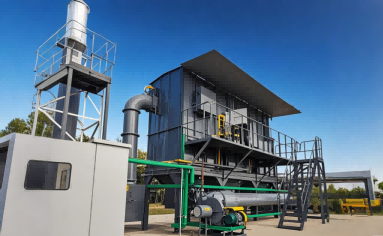
Our high-efficiency RTO systems achieve destruction rates exceeding 99% for VOCs and odorous compounds. Specifically designed for pharmaceutical applications, they feature:
Thermal recovery efficiency >95% significantly reducing fuel consumption
SS316L alloy construction resistant to corrosive gases
LEL monitoring and emergency bypass systems for safe operation
Adaptive control systems that handle concentration fluctuations
Customized Adsorption Systems
For applications requiring solvent recovery or dealing with low concentrations, our activated carbon adsorption systems provide:
Vessel configurations tailored to specific flow rates and contaminants
Specialized carbon media optimized for pharmaceutical compounds
Automated regeneration systems for continuous operation
Energy-efficient designs with minimal pressure drop
Integrated Scrubbing Solutions
Chemical scrubbers effectively remove acidic gases and water-soluble compounds before downstream treatment:
Multi-stage designs with customized packing media
Automated pH control for optimal efficiency
Corrosion-resistant construction (PP, FRP, or alloy materials)
Waste neutralization systems for easy disposal
The YF Environmental Advantage: Customized Pharmaceutical Solutions
Engineering Expertise
Our engineering team develops process-specific solutions based on comprehensive analysis of your waste gas characteristics, production workflow, and compliance requirements. We consider:
Exhaust volume and temperature profiles
Contaminant concentration ranges
Existing collection system efficiency
Local emission standards and compliance timelines
Quality Manufacturing
All YF Environmental equipment is manufactured under strict ISO 9001 quality controls and complies with CE certification requirements for the European market. Our manufacturing capabilities include:
Advanced corrosion-resistant materials (SS316L, duplex stainless steels, FRP)
Robust vessel design with pressure ratings tailored to application needs
Pre-fabricated modular systems for easier installation and commissioning
Comprehensive documentation including P&IDs, manuals, and certification packages
Proven Performance
Our 30,000 m³/h RTO installation at a major pharmaceutical facility in East China demonstrates our capability to deliver results:
VOCs emissions reduced to ≤40 mg/m³ – exceeding EU standards
Continuous compliance despite concentration fluctuations up to 5:1
Annual maintenance costs 30% lower than industry average
Automatic safety systems preventing downtime and hazardous conditions
Compliance with International Standards
Pharmaceutical companies operating in or supplying to EU markets must comply with stringent regulations including:
Industrial Emissions Directive (IED) 2010/75/EU
Best Available Techniques (BAT) Reference Documents
Regional implementation through national agencies (e.g., German TA Luft, UK EPR)
Our systems are designed to meet or exceed these requirements with:
Comprehensive performance guarantees for specific contaminants
Continuous monitoring integration capabilities
Automated data logging for compliance reporting
Adaptive control systems that maintain efficiency despite process changes
Pharmaceutical Waste Gas Treatment Selecting the Right Treatment System: Key Considerations
When evaluating waste gas treatment solutions for pharmaceutical applications, consider these critical factors:
Technical Parameters
Destruction/Removal Efficiency: Required efficiency for each contaminant
Energy Consumption: Thermal and electrical energy requirements
Utilities Requirements: Compressed air, water, and chemical consumption
Footprint: Space requirements and installation constraints
Operational Factors
Maintenance Needs: Routine and preventive maintenance requirements
Operational Flexibility: Ability to handle concentration and flow variations
Operator Skills: Training requirements for your team
Spare Parts Availability: Local support and parts inventory
Economic Considerations
Capital Investment: Equipment, installation, and commissioning costs
Operating Costs: Energy, chemicals, maintenance, and labor
Lifecycle Value: Expected service life and residual value
Waste Disposal Costs: Handling of spent media or secondary waste streams
Why Pharmaceutical Companies Choose YF Environmental
Customization Capability
Unlike off-the-shelf solutions, we engineer each system to your specific process requirements. Our design process includes:
Waste gas characterization and treatability studies
Pilot testing when necessary to confirm design parameters
Process integration with your existing systems
Future-proof designs that accommodate planned expansions
Technical Expertise
Our engineering team includes specialists with pharmaceutical industry experience who understand your operational challenges and compliance needs.
Global Support
With projects across Europe and Southeast Asia, we provide:
Local technical support through partner networks
Multi-language documentation and training materials
Remote monitoring capabilities for rapid troubleshooting
Comprehensive training programs for your operations team
Pharmaceutical Waste Gas Treatment Next Steps: Evaluating Your Pharmaceutical Waste Gas Treatment Needs
Effective emission control begins with a thorough understanding of your specific situation. We recommend:
Comprehensive testing of your waste gas streams under various operating conditions
Review of compliance requirements for all markets where your products are sold
Evaluation of operational constraints including space, utilities, and manpower
Lifecycle cost analysis of alternative treatment technologies
Download our specialized technical whitepaper “Advanced Treatment Solutions for Pharmaceutical Waste Gases” for detailed information on system selection, compliance strategies, and case studies from similar facilities.
[Contact our engineering team] today for a preliminary assessment of your waste gas treatment needs and a customized proposal for your operation.Pharmaceutical Waste Gas Treatment